Trump's Neck Rash Explained: Unpacking the Preventive Skin Treatment Prescribed by His Doctor
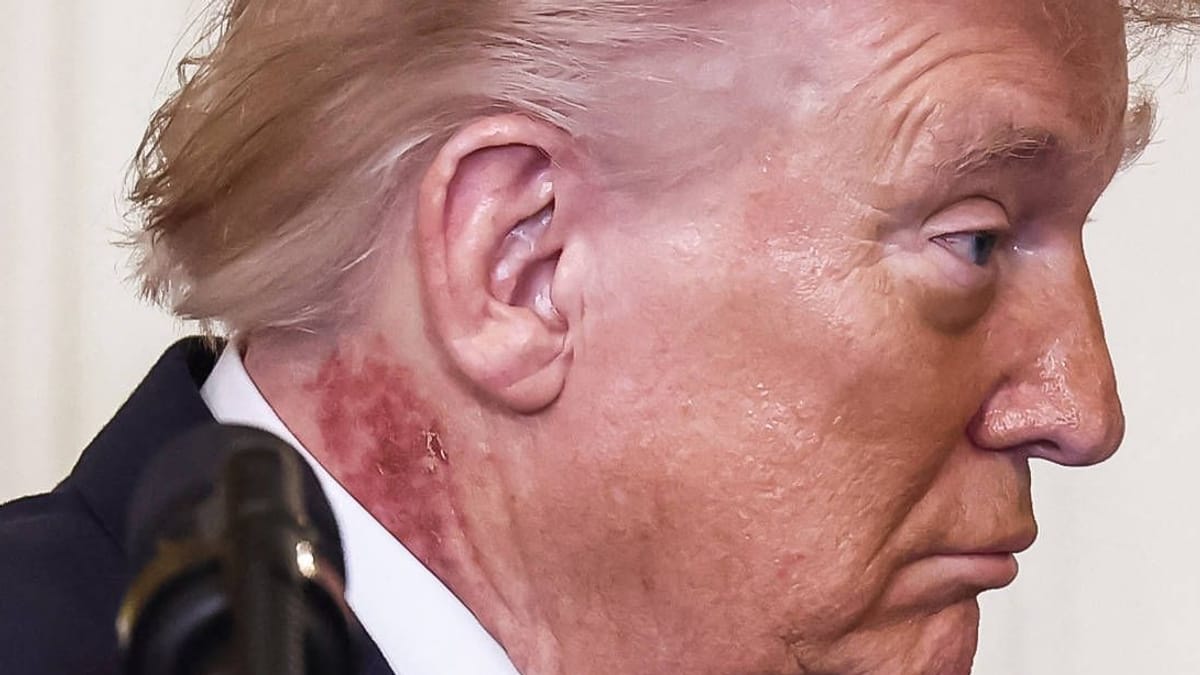
In the ever-watchful public eye, the health of prominent figures like former US President Donald Trump often sparks intense scrutiny and widespread discussion. A recent appearance saw a distinct red mark on the right side of his neck become the latest subject of public conjecture, fueling a fresh wave of speculation regarding his overall well-being. This visible irritation, extending from above his shirt collar up towards his ear, prompted an official statement from his personal physician, Dr. Sean Barbabella, aiming to quell the rumors and provide a clear explanation.
Dr. Barbabella clarified that the noticeable redness was a direct reaction to a common, preventive skin treatment. This revelation, though straightforward from a medical standpoint, ignited broader conversations about skin health, the nature of preventive dermatological care, and the unique challenges public figures face when their personal health becomes a matter of public interest. Understanding the specifics of such treatments, their common uses, and expected side effects can shed light on why such an incident might occur and what it implies for general skin wellness.
The Doctor's Explanation: A Reaction to Preventive Skin Care
The appearance of a reddish area with brownish crusts on Donald Trump's neck during a public event quickly circulated across news outlets and social media, prompting immediate questions. Responding to the mounting speculation, Trump's doctor addressed neck irritation directly. Dr. Sean Barbabella, the president's personal physician, issued a statement explaining the cause. He confirmed that the skin irritation was a result of a "very common cream" being applied to the right side of Trump's neck, prescribed by the White House doctor as a "preventive skin treatment."
According to Dr. Barbabella, the application of this cream is part of a week-long course, and the associated redness is an expected, temporary side effect that could persist for several weeks. This explanation points towards a dermatological intervention designed to address potential skin issues before they become more serious. For individuals, particularly those with fair skin and a history of significant sun exposure like Trump, who is 79 years old, preventive skin treatments are a routine and crucial aspect of long-term health management.
The statement from Trump's physician aimed to provide transparency and demystify the visible symptom, reassuring the public that the condition was not indicative of an alarming illness but rather a proactive measure. This kind of Trump Arzt Behandlung (Trump doctor treatment) is often a testament to vigilance in health care, especially as people age and cumulative environmental damage takes its toll on the skin.
Understanding Preventive Skin Treatments: More Than Just a Rash
When a doctor refers to a "preventive skin treatment," they are typically addressing conditions that, if left unchecked, could evolve into more serious dermatological problems. For someone of Donald Trump's age and background, with a lifetime of outdoor activities and sun exposure, the most common targets for such treatments include actinic keratoses (AKs) and other forms of sun-damaged skin.
What are Actinic Keratoses?
- Precursors to Skin Cancer: AKs are rough, scaly patches on the skin that develop from years of sun exposure. They are considered precancerous lesions because, if untreated, they have the potential to turn into squamous cell carcinoma, a common type of skin cancer.
- Common Locations: AKs most frequently appear on sun-exposed areas such as the face, scalp, hands, and the neck, particularly the side.
- Symptoms: They can range in color from flesh-toned to reddish-brown, often feel like sandpaper, and may be easier to feel than to see.
The "common cream" mentioned by Dr. Barbabella likely falls into a category of topical medications specifically designed to treat these types of lesions. These creams work by causing inflammation and peeling in the affected areas, effectively destroying the abnormal cells. While highly effective, they are known for causing noticeable redness, scaling, crusting, and discomfort during the treatment period—symptoms entirely consistent with what was observed on Trump's neck.
The fact that Trump's medical team opted for such a Donald Trump's Red Neck Mark: What 'Preventive Treatment' Means suggests a proactive approach to managing skin health, rather than reacting to an immediate crisis. It underscores the importance of regular dermatological check-ups, especially for older individuals or those with significant sun exposure history.
Common Topical Treatments and Their Side Effects
While the specific cream used for Donald Trump's neck was not disclosed, several widely prescribed topical medications fit the description of a "common cream" for preventive skin treatment, particularly for actinic keratoses. These include:
- 5-Fluorouracil (5-FU): This chemotherapy cream works by preventing the growth of abnormal cells. It's highly effective but can cause significant redness, crusting, erosion, and irritation for several weeks, especially in areas with more sun damage.
- Imiquimod: An immune response modifier that stimulates the body's immune system to attack abnormal skin cells. It can also lead to redness, swelling, blistering, and scabbing.
- Diclofenac Gel: A non-steroidal anti-inflammatory drug (NSAID) that targets abnormal cells. It tends to cause less severe reactions than 5-FU or imiquimod but still results in some redness and dryness.
The symptoms observed on Trump's neck—redness, and brownish crusts—are classic signs of the skin reacting to one of these potent topical therapies. The duration of the redness, expected to last "a few weeks," is also typical as the skin heals and regenerates after such an intensive treatment. For many patients, the temporary discomfort and visible side effects are a small price to pay for preventing potential skin cancer.
Navigating Public Health Scrutiny: A Recurring Theme
This isn't the first time Donald Trump's health has been the subject of public scrutiny. In previous instances, noticeable blood bruises on his hands led to speculation, which the White House attributed to the regular use of aspirin. Such episodes highlight the unique position of public figures, where even minor physical signs can become magnified and spark widespread discussion.
The ongoing interest in Trump's health is compounded by his status as the oldest president ever to be sworn into office, at 79 years old, and his own insistence on being in "excellent health." While the public has a legitimate interest in the health of its leaders, it also creates an environment where every visible mark or symptom can be misconstrued or sensationalized.
In this context, the prompt and clear explanation provided by Dr. Barbabella regarding the preventive skin treatment served as a crucial piece of information. It offered a medically sound explanation for what could otherwise have been interpreted as a more concerning health issue, underscoring the importance of transparent communication from a leader's medical team.
Practical Tips for Your Own Skin Health
While most of us don't live under the intense public gaze of a former president, the incident with Donald Trump's neck rash serves as a timely reminder of the importance of proactive skin care for everyone. Here are some actionable tips to maintain your skin health:
- Sun Protection is Paramount: Consistent and comprehensive sun protection is the single most important step in preventing sun damage. Use broad-spectrum sunscreen with an SPF of 30 or higher daily, wear protective clothing, wide-brimmed hats, and sunglasses, and seek shade during peak sun hours (10 a.m. to 4 p.m.).
- Regular Self-Exams: Get to know your skin and check yourself monthly for any new moles, changes in existing moles, or unusual spots. Pay attention to areas frequently exposed to the sun.
- Annual Professional Skin Checks: Schedule annual skin exams with a dermatologist, especially if you have a history of significant sun exposure, multiple moles, or a family history of skin cancer. They can identify and treat precancerous lesions like actinic keratoses before they become problematic.
- Stay Hydrated and Nourished: A healthy diet rich in antioxidants and adequate water intake supports overall skin health and its ability to repair itself.
- Don't Ignore Changes: If you notice any persistent skin changes, such as new growths, non-healing sores, or unusually persistent red patches, consult a dermatologist promptly. Early detection is key for effective treatment.
Conclusion
The visible redness on Donald Trump's neck, initially a source of public speculation, was definitively explained by his physician, Dr. Sean Barbabella, as a reaction to a common, preventive skin treatment. This medical intervention, likely targeting sun-damaged skin or precancerous lesions, highlights the critical role of proactive dermatological care, especially for individuals with a history of extensive sun exposure. While public figures face intense scrutiny over their health, this incident ultimately provides an opportunity to emphasize the importance of regular skin checks, sun protection, and not delaying professional medical attention for any concerning skin changes. Understanding the nature of such treatments helps demystify temporary side effects and reinforces the value of vigilance in maintaining one's health.